
Autumn nature activities to spark your child’s curiosity
Autumn is one of those seasons that practically begs you to get outside. The air is crisp, the light is golden, and everything — from the crunch of leaves underfoot to the earthy smell after rain — feels designed to delight a curious child. Whether you’re based in Point Cook, Thornhill Park, or Shepparton, the natural world right outside your door is full of wonder at this time of year — and it doesn’t cost a thing to explore it together.
At Creative Hands Early Learning Centre, nature play is woven into the way we think about children’s learning every day. Guided by the Early Years Learning Framework (EYLF), we know that outdoor experiences build confidence, support emotional regulation, develop language, and nurture a genuine sense of wonder in young children. Autumn makes all of that even easier. Here are some simple ways to bring nature play into your family’s everyday routine this season.
Go on a wander with no destination in mind
Some of the best adventures happen when you put the destination aside and just start walking. A stroll through your local park, a slow wander down a leafy street, or even an exploration of your own backyard can become something magical when you hand the lead to your child. Let them set the pace. Let them stop and crouch down to look at something you’d normally walk past. Ask open questions — “what does that feel like?” or “why do you think that leaf changed colour?” — and resist the urge to fill the silence. Children think best when they have space to do it.
This kind of unstructured outdoor time supports exactly the kind of play-based learning we value at Creative Hands — child-led, unhurried, and full of real discovery.
Collect nature’s treasures
Grab a basket or an old bag and head out on a collecting mission. Autumn is generous — leaves in a dozen shades of gold and red, smooth pebbles, seed pods, feathers, and sticks of all shapes and sizes are just waiting to be found. Encourage your child to choose what goes in the basket and talk about why they picked each one. This simple act builds observation skills, vocabulary, and the kind of focused attention that supports learning across every area of development.
Back at home, spread everything out and explore the collection together. Sort by colour, size, or texture. Talk about what each item is, where it came from, and how it feels in your hands. There’s genuine maths, science, and literacy happening in moments like these — long before a classroom ever comes into the picture.
Turn autumn finds into art
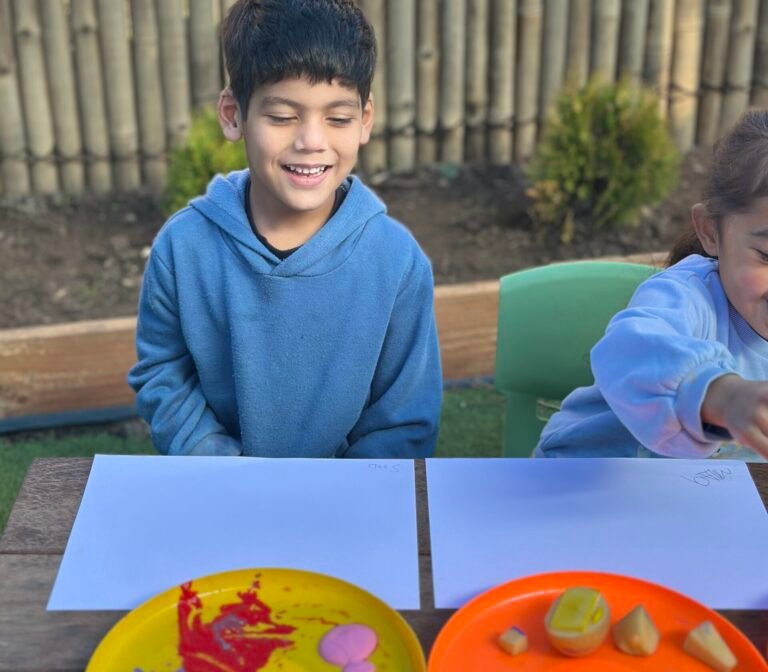
Once you’ve built up a collection of leaves and natural materials, the creative possibilities are endless. Try leaf rubbings with paper and crayons, use leaves as stamps dipped in paint, press them between heavy books to preserve them, or arrange them into a collage on the kitchen table. Older children might enjoy making a simple nature mobile using sticks and string, hanging their favourite finds to display on the back porch.
These activities build fine motor skills, support creative thinking, and give children a genuine sense of pride in something they’ve made with their own hands. They’re also a lovely way to document the season — a pressed leaf collection made in autumn becomes something really special to look back on.
Slow down and notice the wildlife
Autumn is a wonderful time for wildlife spotting, especially in the early morning and late afternoon. A magnifying glass adds a whole new dimension to exploring — suddenly the bark of a tree or a patch of grass becomes a tiny world worth investigating. Look for birds, insects, spiders, and anything else that’s going about its business nearby. Sit quietly for a few minutes and just listen. What can your child hear? What moves? What stays still?
These moments of stillness and focused attention are genuinely grounding for young children. They help build mindfulness, patience, and a real sense of connection to the world around them — all things we actively nurture in our programs across Point Cook, Thornhill Park, and Shepparton.
Make it a ritual, not an event
The most powerful thing about autumn nature play isn’t any single activity — it’s the habit of getting outside regularly and paying attention to what’s changing. A weekly walk, a daily leaf collection, or even just pausing each morning to notice something new in the garden builds a routine that children carry with them. They start to notice things you’d never have pointed out. They ask questions you haven’t thought to ask. They develop a relationship with the natural world that shapes how they see and interact with everything around them.
It doesn’t need to be elaborate. A jacket, a basket, and a willingness to slow down is really all you need.
How Creative Hands supports nature play year-round
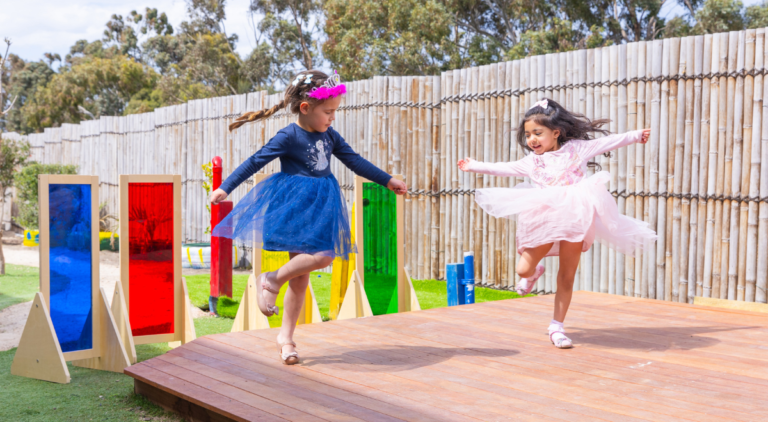
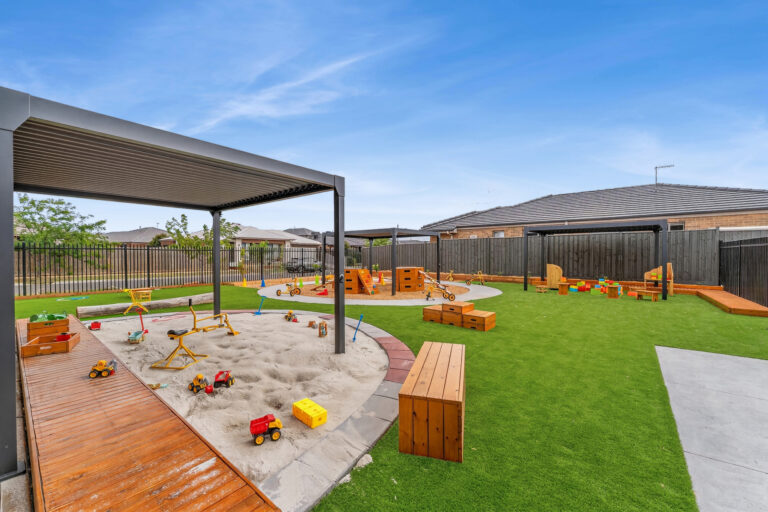
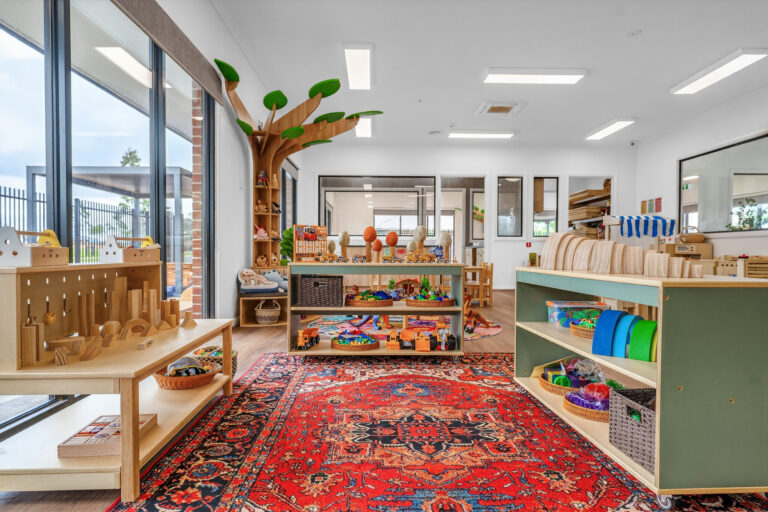
At Creative Hands, our outdoor learning environments are designed to give children meaningful time in nature every day — not just as a break between activities, but as a core part of how children learn and grow. Our shaded outdoor play spaces, natural materials, and educator-supported exploration mean that the kind of curiosity you nurture at home on an autumn walk is extended and deepened every day at the centre.
If you’d like to see our approach to nature play and outdoor learning for yourself, we’d love to welcome you for a tour. Book a tour at your nearest Creative Hands centre and come and meet our team.
To learn more about our curriculum and how we support children’s development through play, visit our Our Program page or read more about what the Australian Children’s Education and Care Quality Authority (ACECQA) says about quality early learning environments.